One year ago, almost to a day, several of my colleagues got the sack as redundancy negotiations at the workplace came to a conclusion. That sent ripples across the whole work community as the team was ripped apart. The ripples caused many a good nurse to depart that team, and several months later, I left too. And, a year on, again, I have to confront the feelings it caused.

Last year, the redundancy measures were handled as the law requires. They just forgot, accidentally or deliberately, the people that these measures touched. The Finnish work law states how the redundancy measures are to be handled, the time frames, who are to be part of the negotiations, and so on. Please read my blog “Stress – Relief” to get insight for this.
But what the law does not take into account is the mental well-being of the people who are undergoing the process. What makes mental well-being such an important point is that, in many situations, nurses face a heavy load of ethical stress even under normal situations. This can be because of bad management who think of money over the patients’ needs or because of the lack of staff that requires nurses to cut back on the good quality nursing because of this. These are just few examples.
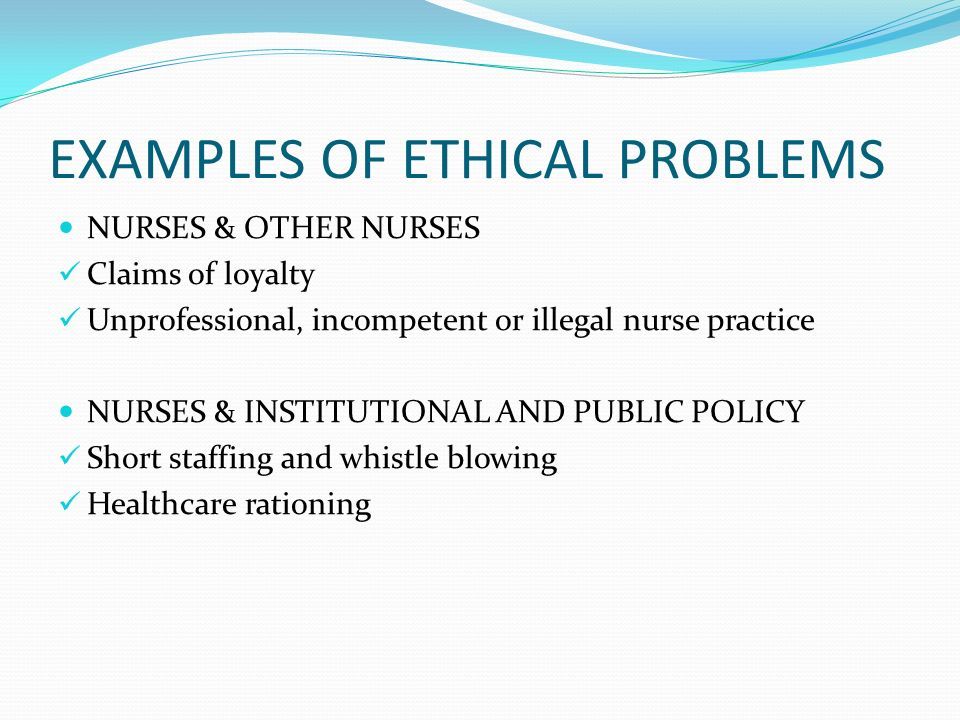
Ethical stress, in case you were wondering, is a form of psychological stress that rises from one having to do something that goes against their own values or from the feeling of inadequacy of being able to help someone. In an occupation where you can see the effects of treatments or the ineffectiveness of them, you sometimes feel powerless and weak. When this happens, you look for your colleagues, your work community, for support, for stability, for help.
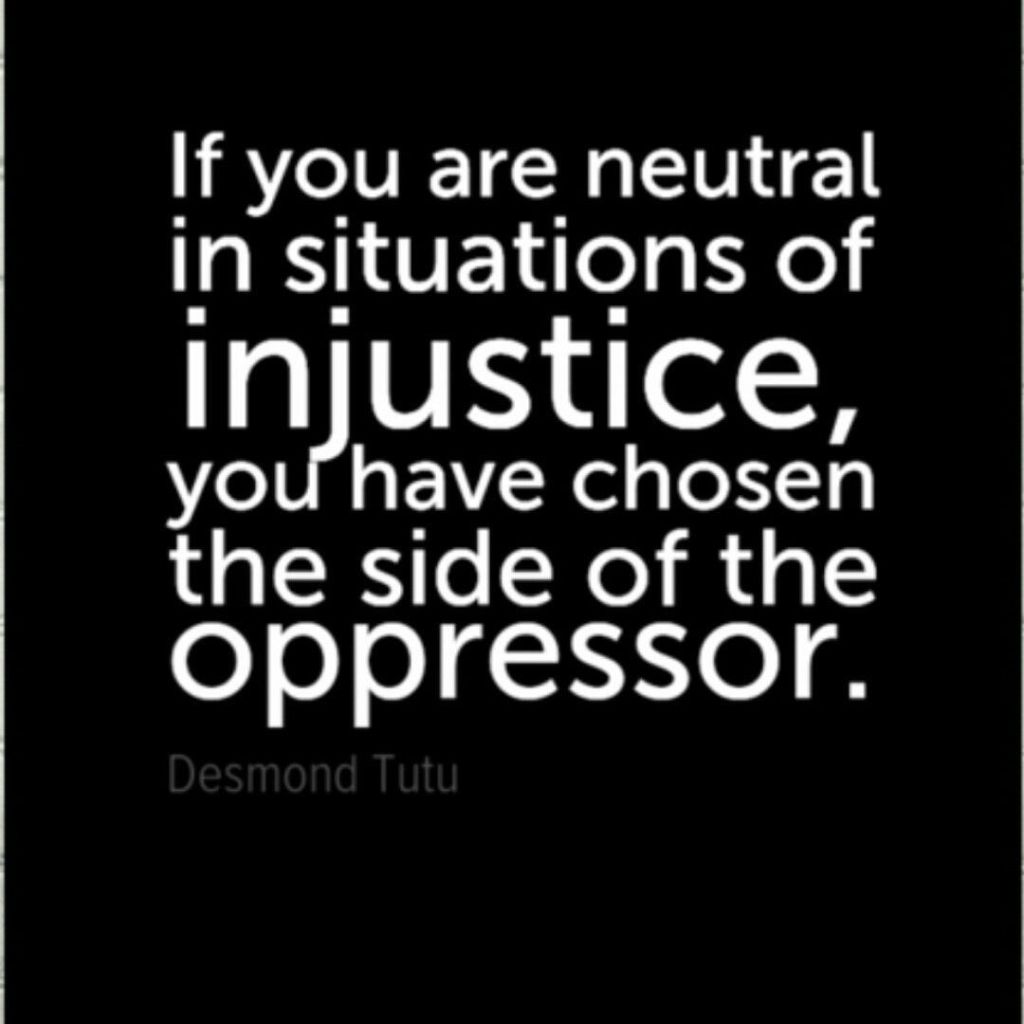
When something happens that manages to shake up the community, it can cause people to feel unsafe, as events, like rocks thrown to a pond, cause ripples. These ripples keep on going and multiplying unless somehow contained. Like last year, it wasn’t the original event, the redundancy negotiations, but the ripples tearing through the community, that can wrecked havoc.
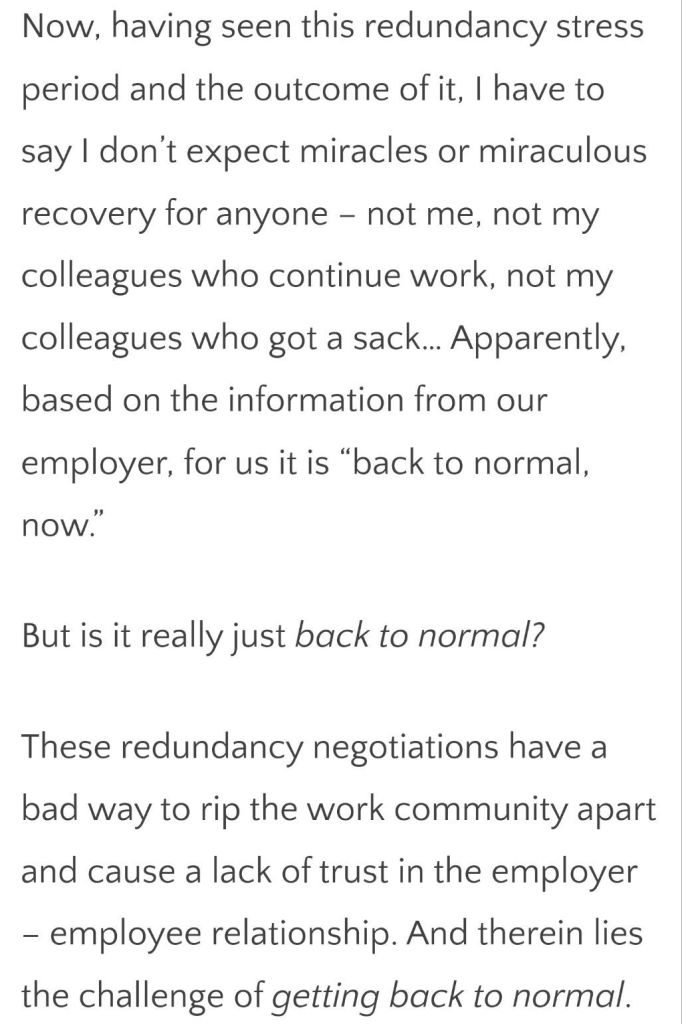
I didn’t realise how powerful a signal that “back to normal” term actually was, and still is. And, to be fair, not in a good way. I have realised wow, a year on, that “back to normal” is a smoke screen to make everyone believe that we need to just keep calm and carry on, that there is nothing more to discuss. Matter is solved, dust is settled – back to normal.
I kindly ask you to support my work by Buying Me A Coffee. This is an easy way to support my blog and also my other writing work. Thank you so much in advance!

It is not, nor can it be, back to normal! The world didn’t get “back to normal” after the Covid-19 pandemic, so how could a work community in a traumatic situation?
Over the years, I have witnessed, and most likely, will continue to witness nursing staff that are bitchy and ratty towards others. I also think I will come across more of the staff who do not want to see that they don’t have the required skills.
But what I have never before come across, and hope I will never come across again, is a situation where someone physically attacks their colleague at work. I honestly didn’t imagine in my wildest dreams that I would ever come across a situation where this would happen. But I have. Once. And that was once too many times.
That physical violence was contained, but with horror, I witnessed the ripple effects to start across the whole community. One of the ripple effects is that people felt unsafe at work.
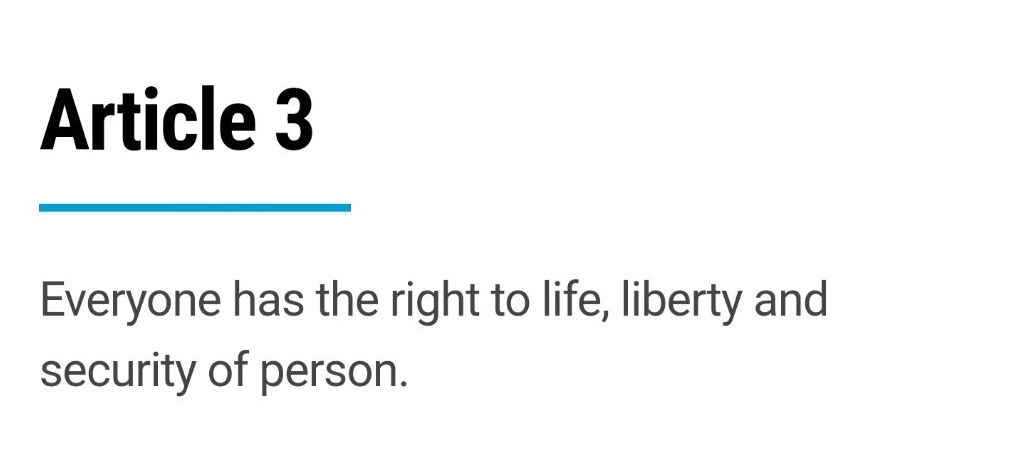
Each and every workplace should have safeguards and procedures in place for such an unlike event as this. But what it really boils down to is the 3rd Article of the United Nations Charter of Human Rights, as stated above. We all have a right to the security of person. We all are inviolable, our person is inviolable.
But what if we are not? What if an act of violence forces us to realise that workplaces are unsafe by default. Because of that realisation, after an assault, how can it be back to normal? What measures would it take for a person to get the feeling of safety back again?
Thankfully, in this case, I wasn’t involved in the situation. Neither were the vast majority of my colleagues. Those who were have been, more or less, offered support and help. So, why did I, as an outsider, felt completely shaken up?
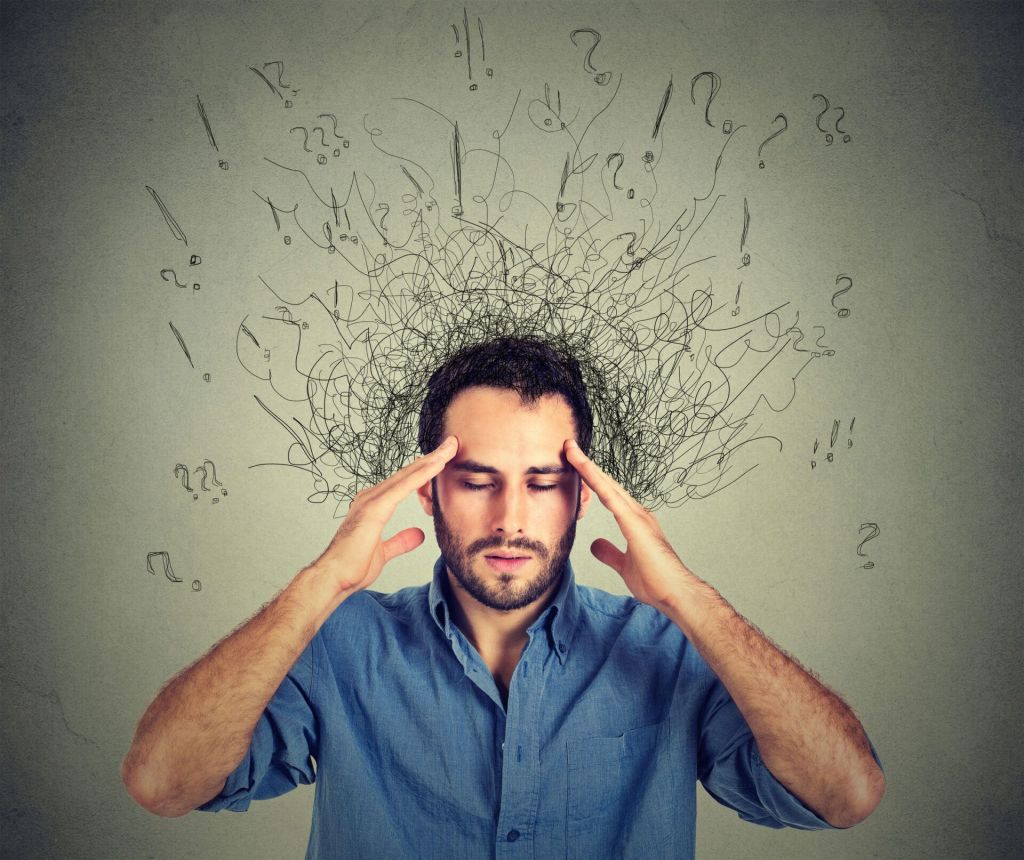
Maybe, and probably, it was because of my work history; I come from a badly managed workplace where mental well-being was not taken care of. That means I have a history of having to deal with issues that have an effect on my well-being by myself, and it took a toll. After this, having to face a situation affecting another work community, I really felt the echoes from last year, and it really made me uncomfortable and anxious. Surprisingly, very much so.
And this annoyed me.
I think it annoyed me mostly because I just want to go to work, do a good job, and go away. Having a good spirit amongst colleagues has been a great bonus. It always makes the work more enjoyable. What these ripple effects will do, I am afraid, is to tear the good spirit apart. And these ripples can, if allowed to fester like an infected wound cause valued colleagues to leave.
What this kind of rare situation requires is a way to contain and stop the ripples from damaging the whole community.
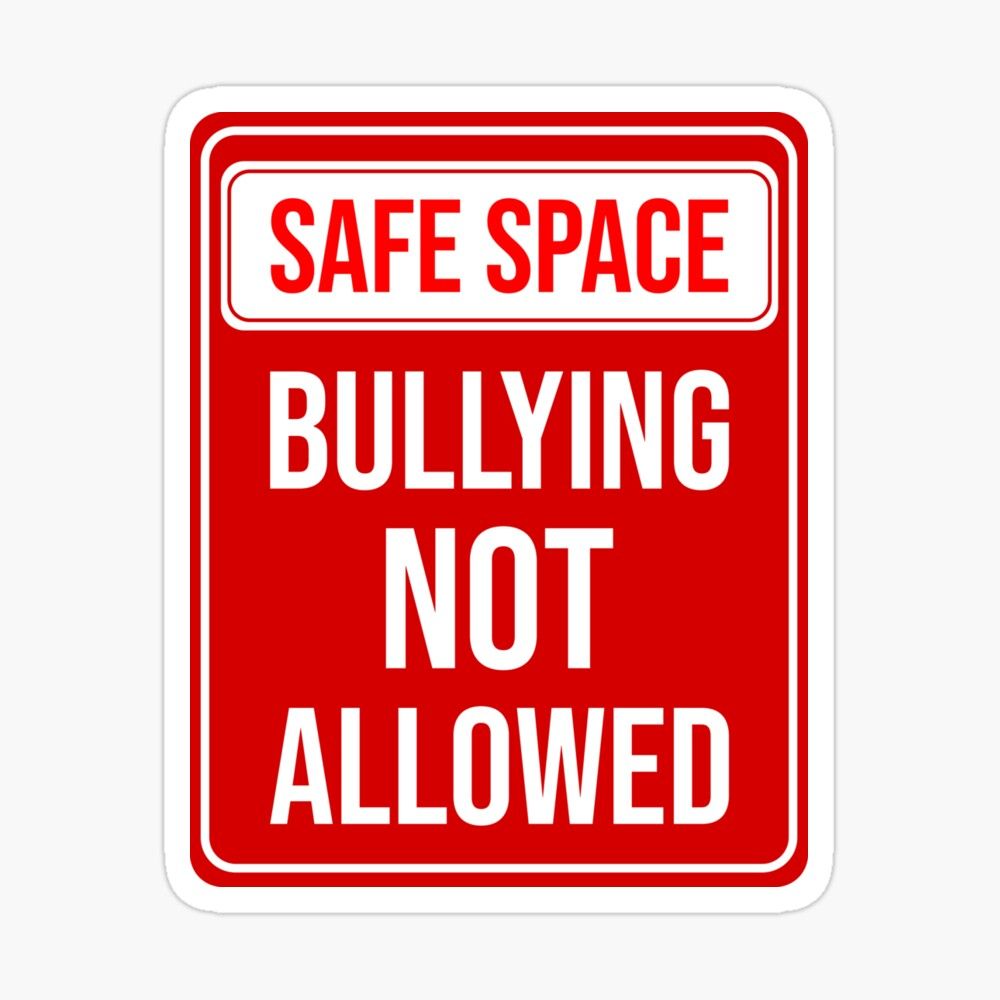
Homes and workplaces need to be and feel safe. There can be no discrimination, violence, or any kind of bullying. We all need to be able to feel safe whilst we live or work. But what if the sense of security, of safety, is shattered? How can we be made to feel safe again?
Please tell me.



 Travelling Thoughts
Leave a comment