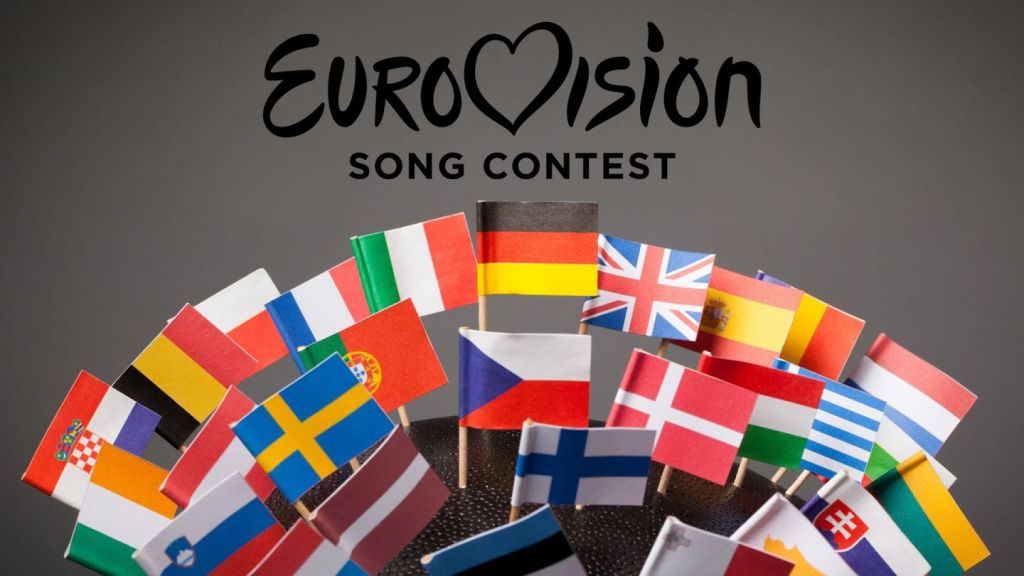
One of the staples of Eurovision Song Contest, for me, has been the jury votes. Yes, the very ones that are currently criticized for making Sweden win and Finland lose. For me, however, that is part of the whole experience. But, like this year showed us, this might not be the best system around.
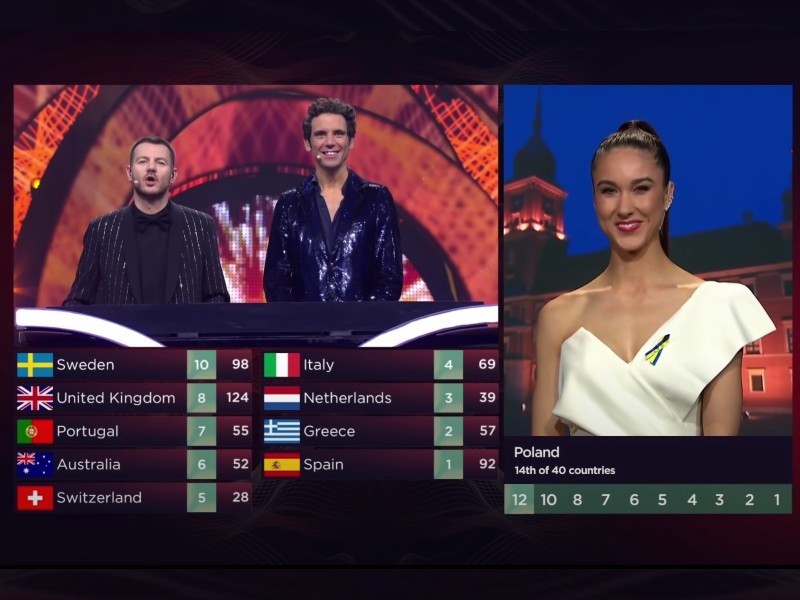
Earlier on the only votes were the jury votes. There was no televoting, and the public participation was the audience behind the TV screen. There was no public vote at all.
When the popularity of the Eurovision Song Contest started to wane, partially because of the jury votes increasingly went to their neighbouring countries, the organisation realised that they needed to make a change for the ESC to surviv and retain its meaning.
But the only reason wasn’t just to retain meaninfulness of the competition. The organisation realised that they needed to include the audience, the people, in the voting to modernise and to grow the whole event. Today’s shows are a direct result of that decision.
The Eurovision organisation tried to cut out the jury votes altogether. This resulted in busloads of Eurovision fans being ferried to the neighbouring countries to vote for their own country, and the votes still remained within the blocks. Maybe not as much as before, but it still happened. People, especially in Western Europe, were not happy about this, and there was a lot of talk about countries leaving. So, back to the drawing board with the rule changes.
That is why the Eurovision Song Contest has the voting system in place that they utilise today. 50% of the points come from the jury, and 50% of the points come from the public. After this year’s commotion, there might be some tweaks on the percentages, but that has not been publicised, but it will most certainly be discussed behind the closed ESC doors.
Let’s leave the voting systems and all the deuze points. What if, instead, we concentrated on other aspects of the Eurovision Song Contest, the biggest song contest of the world, has given us over the years?
One of the most famous, if not the most famous, examples of the results of the Eurovision is ABBA. A Swedish band that became a world-renowned phenomenon after their win with “Waterloo.” And 50 years on, their music is still loved and played around the globe. Now that Malmö hosted the 2024 edition of the world’s biggest song competition, have we got another evergreen – or will this year be remembered for other reasons?
Now that half of the points come from national juries and the other half from the people, this year showed something that the EBU and Eurovision organisation need to solve in order for Eurovision Song Competition to survive. This is something that I wrote about in the Non-Political Competition. If the EBU, as the top organisation, decides to stubbornly hold their course, the result might be like what happened to Titanic in 1914. And then, no more douze points to anyone.
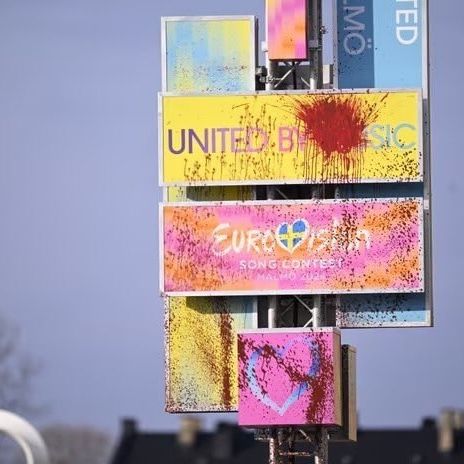
This year showed that the organisation needs to take a good, long look into a mirror, and they really need to figure out the way to move forward. One of the questions that need to be addressed is which flags are allowed in the audience. Now, they banned the non-binary flag and threw out a person trying to take it to the arena. Meanwhile, the winner had to smuggle the aforementioned flag in. Some of the competing broadcasters and EU have raised the question about the status of the EU flag, as it was banned as well.
If they allow these, then what will be the grounds to ban something else. Or is this a “give the devil your pinky and it will take your whole hand,” scenario in the making?
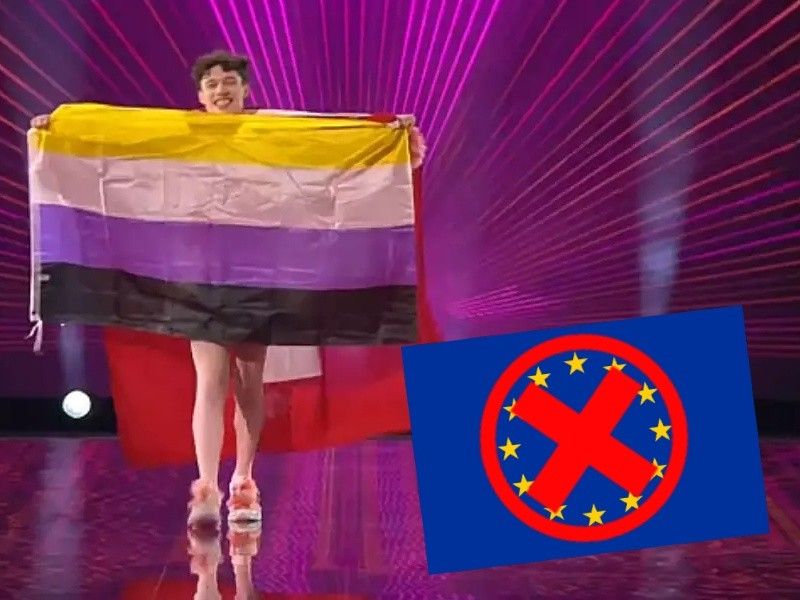
But it is not just the flags that are banned. This year, especially, the fans of the competition have been effectively banned from the competition’s Facebook and/or X account. The competition itself may try to market itself as a ‘non-political’ (without much success, I might say), but the fans are not. Like anywhere in the social media, it is OK to ban the troublemakers, but those of us who can articulate our opinions with more words than “screw you, poopyheads”, should be allowed to remain.
Why?
Any organisation, public figure, or even a private person needs to be able to withstand criticism and feedback. If they can’t, well, then there is something fundamentally wrong with the organisation or person.
Flags and national juries aside, will the Ghosts of Eurovisions Past be its demise? Will the post-war tenets of being non-political competition and clinging to it cause it to wither away? Or will the sponsorship deals turn the campest week of May to yet another Europe Got Talent when there is nothing more left?
Personally, I would love to see the Eurovision Song Contest return to the fun fair it used to be, even if the neighbouring countries would still award each other points. If the EBU can pull through, maybe we will see that happen in the future.
I kindly ask you to support my work by Buying Me A Coffee. This is an easy way to support my blog and also my other writing work. Thank you so much in advance!





 Travelling Thoughts
Leave a comment